
 4 Trends That Will Define Post-Pandemic Influencer Marketing." loading="lazy">
The streets are slowly starting to fill out again, our cities beginning to bustle. But when we have all finally emerged from the forced hibernation that has characterized the past four months, though the world might look the same on its surface, we will have been irrevocably changed by our experience. The paralysis of plague has a way of making us reexamine our relationships to the things we once took for granted and find ways to reinvigorate our personal spaces, both physical and digital. But in the wake of Covid, maybe the most important thing to reexamine is the relationship between businesses and the people they serve.
According to an April report by Influencer Marketing Hub, 65% of respondents reported a decrease in revenue, which seems to directly correspond to the statistic that one-in-four companies plan to ramp up their marketing efforts. But it is slowly becoming clear that the model of influencer marketing built on superficiality might not be as profitable as once thought. If this is the case, and consumers are demanding more from their brands and influencers, how then can we use the lessons we’ve learned in the midst of a global pandemic to meet that demand? Here are four trends in the influencer marketing space brands will need to embrace in order to continue to meet their consumers where they are.
If this is the case, and consumers are demanding more from their brands and influencers, how then can we use the lessons we’ve learned in the midst of a global pandemic to meet that demand?
Embracing a New Narrative
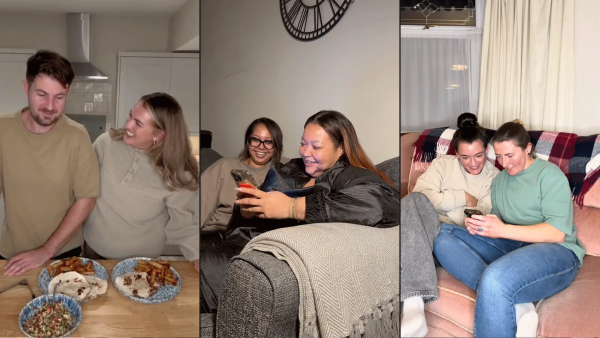
While narratives are nothing new when it comes to influencer marketing, one of the major impacts as a result of the pandemic has been the rise of a global shared narrative. While we all have had our different ways of coping with quarantine, the circumstances that saw us locked in our apartments or houses was largely the same. We need only look at the 652% increase in bread maker sales to understand that consumers were seeking out products and stories that fit their reality. We were all baking bread. Focaccia, Rosemary, Sour Dough. Every last one of us was baking bread and we loved it.
Correspondingly, with eating and cooking seeing surges during quarantine, the importance of bloggers and influencers who fit these emerging narratives cannot be understated. Going forward, embracing the new collective narratives unfolding around us and partnering with the influencers most relatable to those demographics will be key to leveraging relatable content.
Follow the Flow of Conversation
Increased attention being paid to emerging narratives also requires increased responsibility. During quarantine we’ve seen just how quickly influencers who disregard social sentiment or come off as tone deaf and out of touch find themselves facing the scorn of their followers. Quarantine has been a double edged sword, and while engagement is at an all time high according to a study by Kantar, so is the scrutiny that comes with it. With the shared circumstance brought about by the pandemic, influencers have seen the fourth wall that once separated them from their followers all but disappear, creating an environment in which the superficiality of yesteryear sticks out.
In the post-covid world it will be important for brands and influencers to follow the flow of the conversation rather than attempt to dictate it by pushing products or self-promotion. Instead they should recognize themselves as extensions of their followers, adding to the conversation with their unique insights and expertise.
The Growing Utility of Live
According to Business Insider, as of April this year Instagram Live usage was up 70%. This is huge. Live is not just a fad. The ability for anyone anywhere in the world to instantly command an audience, to create a narrative on the go is an incredibly powerful tool in the right hands. Furthermore, in an age where “doing it for the gram” is to possess an air of superficiality or fakeness, Live brings an inherent sense of visceral realism to content, while doing what more meticulously curated campaigns fall to: allow for dialogue.
Beyond creating a surge in the number of people using Live or viewing live streams via social media, the way in which users utilized the function has also changed. Artists and musicians used it to put together virtual concerts. Djs spun records for virtual dance parties and boxing gyms hosted free live-streamed classes. In a world without physical interaction, we were able to glimpse just how connected we could stay with each other, and more importantly, that the format for these interactions could be just as varied as they were in the physical world. Going forward brands should coordinate with influencers in order to provide consumers with live content that is not only relatable, but varied and experimental in the best ways.
People Centric, Not Product-Centric
Influencer marketing has always leveraged the appeal of the individual in order to help brands expand their audience. However, the crisis has really helped put into perspective just how valuable the individual can be. We’ve seen how important making connections is, we’ve seen the myriad ways in which different people dealt with the pandemic. This sentiment can be applied to influencers, who rather than just pushing a product can make it personal. And brands have taken notice.
Despite most of the world grinding to halt and many influencer campaigns being put on pause, brands like QVC are relying on their influencers to take the lead on content creation and campaigns. In this capacity not only have influencers functioned as a sort of remote worker, operating during the pandemic from the safety of their homes. But they have remained in tune with their audience throughout and, as such, are capable of the kind of personal insights and connections often lost in a top-down model of business.
The New Normal
In his novel “The Plague” Albert Camus once wrote of life after a pandemic: “All a man could win…was knowledge and memories.” In the world we are entering now, it will be on influencers and the brands who partner with them to leverage both.
